
An organic business growth strategy refers to the sustainable, internal expansion of a business through increased sales and profitability without relying on external financing or acquisitions.
For small and medium enterprises (SMEs), this form of growth is essential for building a resilient and self-sustaining business. Organic business growth strategies prioritise long-term sustainability, employee and customer satisfaction, and operational efficiency.
The benefits of organic growth are numerous:
- businesses maintain control of their operations
- reduce financial risk and
- build solid relationships with stakeholders.
If they leverage internal resources well, businesses can grow steadily, becoming more adaptable to market shifts and economic challenges.
In this post, I will discuss seven key elements that help SMEs develop an organic business growth strategy.
1. Customer satisfaction
Customer satisfaction is at the heart of all organic business growth strategies. The number one focus for SMEs must therefore be delivering high-quality products or services that meet the needs and expectations of their customers.
Happy customers lead to repeat business, strong referrals and positive word-of-mouth marketing. In fact, an old study by Bain & Company that was cited in various online publications, shows that increasing customer retention rates by just 5% can increase profits by 25% to 95%.
I find that incredible. Ensure your customers are satisfied and you could almost double the profitability of your business!
For businesses in developing and emerging markets, where resources are limited, building trust and loyalty with customers is even more crucial. It requires you to deeply understand what makes customer buy, adapt products to meet their needs and ensure you deliver consistent quality.
As your business matures, you can leverage their loyal customer base to fuel sustainable growth without relying on aggressive marketing or external funding.
2. Employee satisfaction
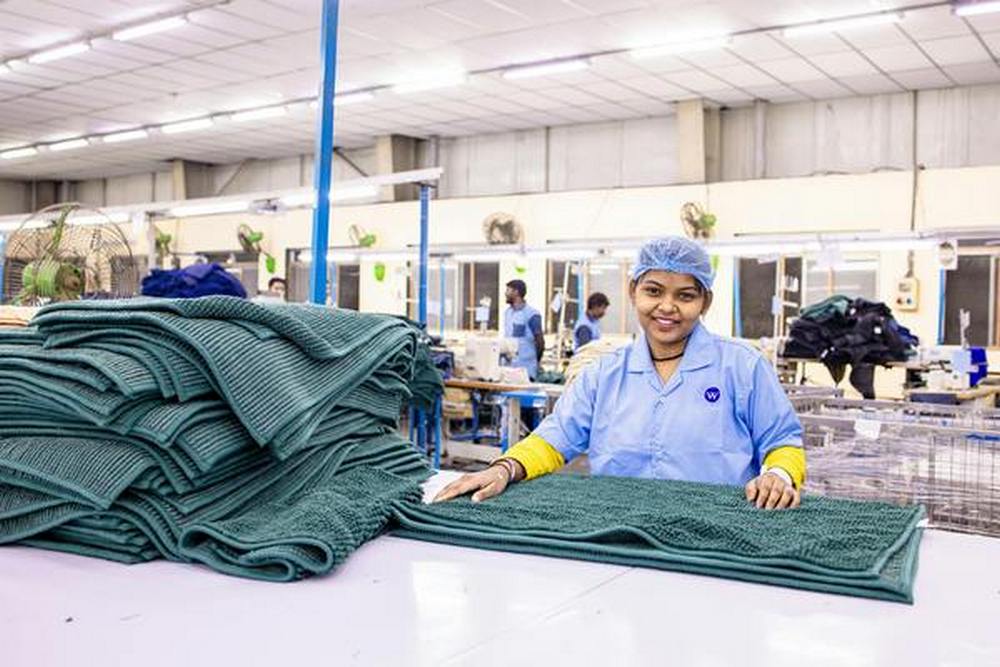
A motivated and engaged workforce is vital if you want to achieve and sustain organic growth. Employees who feel valued are more productive and committed to their work, contributing to long-term business success. Studies show that companies with high employee engagement are 21% more profitable than those with low engagement.
In developing economies, finding well-qualified people and retaining them can be challenging. It is important to invest in your employees, for example, by offering a competitive compensation, career development opportunities and a positive work environment.
An example from real life
If your business has only a few employees, this can be challenging. I’ve seen this at my NGO in Liberia, where we have had qualified people leave us to go and work for UN organisations. We cannot compete with these organisations on compensation, so we look for other ways to retain the talent that we have.
- We have built a strong culture that is centered around our purpose and we see that people choose to stay with us because of this, even if they could make more money elsewhere.
- We try our best to include everyone. Everyone gets a say in what we do and gets to give feedback. We do our best to incorporate constructive feedback, or clearly explain why we cannot do something.
- We offer team members the opportunity to work closely with international volunteers. This builds skills and networks. It also helps our volunteers get a better understanding of the reality in Liberia.
- We also invest a lot of time and effort into giving young people work opportunities. They may not yet have the expertise and experience, but working closely with a m ore experienced colleague helps them develop. It also instils our culture and value into them from the beginning. And for us as an organisation, it is a way to create a pool of potential employees.
3. Innovation and adaptability
For SMEs to develop a good organic growth strategy, a culture of innovation is critical. Innovation does not always require you to have large budgets. Often, it is an expensive word that is used to describe creative problem-solving and the ability to adapt quickly to market changes.
Creativity and adaptability are skills that most businesses in developing economies have to master, otherwise they will not survive for a long time. When resources are scarce, your business can thrive by developing unique solutions that address local needs.
Example
Mobile banking services, like M-Pesa in Kenya, have revolutionised how people in developing markets access financial services.
They provide convenient and affordable access to banking services, such as sending and receiving money, making payments, and saving money, even in remote areas with limited access to traditional banks.
This has led to increased financial inclusion, reduced poverty, and empowered individuals and businesses in developing countries.
SMEs that embrace innovation, whether through new products, services, or delivery methods, can differentiate themselves from competitors and create new revenue streams, further supporting their organic business growth strategy.
A culture of innovation can also inspire employees to contribute new ideas and solutions, which can drive business growth from within.
4. Sustainable practices
In today’s business environment, adopting sustainable practices is an absolute necessity. More and more customers are paying attention to whether the brands they buy are environmentally conscious and whether brands are creating products that are sustainable. This trend is unlikely to change.
SMEs can gain a competitive advantage by incorporating sustainability into their operations. This does not have to be difficult. Easy ways to become more sustainable include reducing waste, recycling plastic, improving energy efficiency, or sourcing eco-friendly materials.
The key is to make sure that you talk about the sustainable actions you are taking and explain what impact they are having. For example, through your social media channels. It can help set your business apart and attract ethically-minded customers to help build a more resilient business model.

5. Effective financial management
Effective financial management is crucial to ensure that growth is sustainable and manageable.
As a business owner, you should always have a clear understanding of your financial position, including operating expenses, ways to increase cash flow, and gross and net profitability. This will help you make informed decisions about how to allocate resources and when to invest in growth opportunities.
Tracking financial performance is essential to identify areas for improvement and to ensure that growth is not achieved at the expense of profitability. SMEs should prioritise cost efficiency and avoid overextending themselves financially, a common mistake that can lead to cash flow problems and unsustainable growth.
6. Stakeholder orientation
Building strong relationships with all stakeholders, including employees, customers, suppliers, and the local community, is essential for organic growth. SMEs that take a stakeholder-oriented approach tend to foster loyalty and trust, which can translate into more business opportunities, better supplier terms, and community support.
In emerging economies, where trust and social capital can play an outsized role in business success, focusing on long-term relationships rather than short-term gains is critical. This approach is often reflected in family-owned businesses, where maintaining strong ties with stakeholders contributes to lasting business success.

7. Market research
Conducting ongoing market research is crucial for understanding industry trends, customer preferences, and potential growth opportunities. SMEs that regularly engage in market research are better equipped to respond to changes in consumer behavior and industry dynamics. This knowledge allows businesses to refine their products, develop targeted marketing strategies, and explore new markets.
For example, businesses in developing economies that keep a close eye on digital transformation trends can capitalise on the growing use of mobile technology and e-commerce platforms. These channels often offer cost-effective ways for SMEs to reach larger audiences without significant infrastructure investment.
Conclusion
For SMEs in developing and emerging economies, focusing on these seven key elements—customer satisfaction, employee satisfaction, innovation, sustainability, financial management, stakeholder orientation, and market research—can lay the foundation for developing long-term organic business growth strategies.
It is possible to grow a business in a way that is both controlled and resilient, if you choose to prioritise sustainable and gradual expansion. The best thing is that a organic business growth strategies enable you to better navigate economic challenges and emerge stronger over time.
Adopting an organic growth mindset allows SMEs to retain control, minimise financial risks and build a solid foundation for future success.